Buy whr.eu ?
We are moving the project
whr.eu .
Are you interested in purchasing the domain
whr.eu ?
domain@kv-gmbh.de · 0541-91531010
Buy whr.eu ?
Was Yugoslavia a democracy?
Yugoslavia was officially a socialist federal republic, and its political system was based on the principles of self-management and workers' councils. While it had elements of a multi-party system and periodic elections, the Communist Party held a dominant position in the government and society. This limited the true democratic nature of the country, as the ruling party had significant control over political and social life. Therefore, while Yugoslavia had some democratic features, it did not fully function as a liberal democracy. **
What happened to Yugoslavia?
Yugoslavia was a country in Southeast Europe that existed from 1918 to 2003. It was formed after World War I and consisted of several different ethnic groups, including Serbs, Croats, and Bosniaks. However, ethnic tensions and political conflicts eventually led to the breakup of Yugoslavia in the 1990s. This breakup resulted in a series of violent conflicts, including the Bosnian War and the Kosovo War. By 2003, the remaining parts of Yugoslavia had all become independent nations, including Serbia, Croatia, Bosnia and Herzegovina, Montenegro, North Macedonia, and Slovenia. **


Similar search terms for Yugoslavia
Top-Angebote
Products related to Yugoslavia:
-
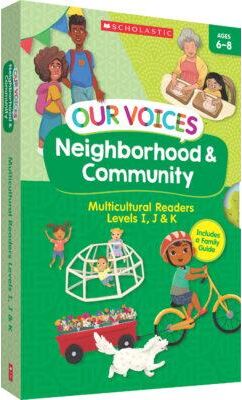
Our Voices: Neighborhood & Community Boxed SetFoster a feeling of belonging while building key reading skills with these colorful storybooks that spotlight a variety of neighborhoods and communities. The 10 charming stories feature characters from different cultural backgrounds who learn about...32,37 $*Shipping: 0,00 $Secure redirect to the provider
-
Sesderma Reti Age 5 Liposomal Serum Anti-Aging Innovation 30mLA facial serum for wrinkles and signs of ageing. Reduces wrinkles and fine lines. Hydrates and strengthens barrier. Restores youthful radiance. 5-Retinoid System: smooths wrinkles, accelerates renewal, and boosts collagen. Biomimetic Peptides: fill expression lines by stimulating collagen synthesis.53,26 £*Shipping: 5,22 £Secure redirect to the provider
-
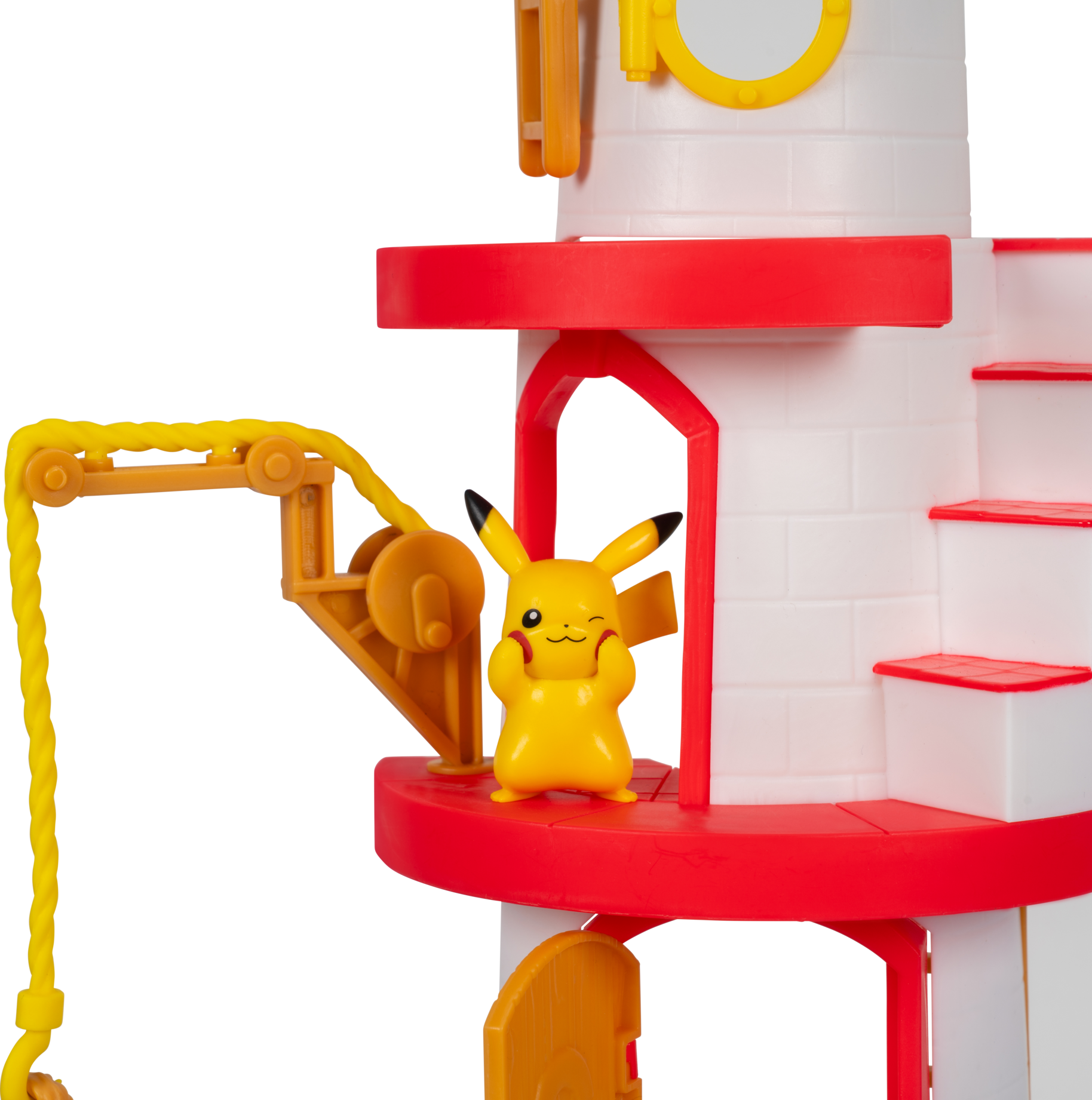
Jazwares Pokémon Carry Case Lighthouse Exploration Playset with Pikachu - Deep-Sea Adventure Playset with 2-Inch Battle FigurePortable playset unfolds from a backpack-style case into a detailed ocean scene centered around a four-storey lighthouse. Includes 2-inch Pikachu Battle Figure and two figure launchers for interactive play. Features rope wall, swinging rock bridge, interior elevator, rope ladder, and working treasure crane. Compatible with other 2-inch Pokémon Battle Figures.34,47 £*Shipping: 3,95 £Secure redirect to the provider
-
Hodder Paperbacks Step By Step by Simon Reeve, Presenter of BBC's Wilderness - Travel Memoir Paperback - Adventure, Danger & Personal Transformation - NewStep by step is the candid memoir from Simon Reeve, the presenter of BBC's Wilderness and a renowned British television adventurer. Having journeyed to more than 120 countries, Reeve recounts his path from a difficult youth to becoming a respected documentary maker. This paperback edition is packed with firsthand accounts of danger, discovery, and personal transformation, making it a compelling read for travel lovers and anyone drawn to real-life stories of resilience. In this revealing memoir, Simon Reeve recounts how a troubled adolescence and a moment of personal crisis became the catalyst for a life spent exploring some of the planet's most remote jungles, deserts, mountains, and oceans. Reeve's journey is a testament to the power of perseverance and the human spirit. Published by Hodder Paperbacks, this book is suitable for adult readers.2,99 £*Shipping: 2,99 £Secure redirect to the provider


-
What is Yugoslavia called today?
Yugoslavia is no longer a country. It dissolved in the early 1990s due to ethnic conflicts and is now split into several independent countries. These countries include Serbia, Croatia, Slovenia, Bosnia and Herzegovina, Montenegro, Kosovo, and North Macedonia. **
-
How would Yugoslavia look like today?
It is difficult to predict exactly how Yugoslavia would look like today as there are many factors to consider. However, it is possible that the country would have faced challenges due to its diverse ethnic and religious makeup. There may have been ongoing tensions between different groups, potentially leading to political instability and conflict. On the other hand, if the country had managed to maintain unity and stability, it could have been a strong player in the region with a diverse and vibrant culture. **
-
Which language was spoken in Yugoslavia?
The main language spoken in Yugoslavia was Serbo-Croatian, which is a South Slavic language. This language was a combination of Serbian and Croatian dialects and was used as the official language of the country. Other languages spoken in Yugoslavia included Slovenian, Macedonian, and Albanian, reflecting the diverse ethnic makeup of the country. **
-
Why does Yugoslavia no longer exist?
Yugoslavia no longer exists due to a combination of factors, including ethnic and nationalist tensions, economic difficulties, and the collapse of communism. The country was made up of multiple ethnic groups, including Serbs, Croats, and Bosnians, which led to internal conflicts and eventually the breakup of the country. Additionally, the fall of communism in Eastern Europe and the economic struggles that followed contributed to the disintegration of Yugoslavia. Ultimately, these factors led to the secession of various republics and the eventual dissolution of the country. **

Is Yugoslavia a world power today?
No, Yugoslavia is not a world power today. In fact, Yugoslavia as a political entity ceased to exist in the 1990s, breaking up into several independent countries including Serbia, Croatia, Bosnia and Herzegovina, Montenegro, North Macedonia, and Slovenia. These individual countries do not hold the same level of global influence or power as the former Yugoslavia once did. Therefore, Yugoslavia is not a world power today. **
What is the problem regarding Yugoslavia?
The problem regarding Yugoslavia is the ongoing ethnic and political tensions that have persisted since the breakup of the country in the 1990s. The region has experienced violent conflicts and wars, resulting in the loss of thousands of lives and the displacement of millions of people. The unresolved issues of ethnic nationalism, territorial disputes, and political instability continue to hinder the progress and stability of the region. Additionally, the lack of reconciliation and accountability for war crimes and human rights abuses further complicates efforts to achieve lasting peace and stability in the former Yugoslav states. **
Top-Angebote
Products related to Yugoslavia:
-
Pan Make Brilliant Work: Lessons on Creativity, Innovation and Success by Rod Judkins - Paperback - Self-Help/Business Creativity Guide, Author ofMake Brilliant Work is an inspiring guide by Rod Judkins, drawing on the real-life stories of visionaries from Frida Kahlo to Steve Jobs. This paperback book reveals the methods and mindsets that turn ordinary effort into extraordinary results. Judkins proves that talent alone never guaranteed success — persistence, risk-taking and original thinking did. A motivating read for anyone wanting to unlock their creative potential at work or in life. The book profiles figures who failed at school, were told they lacked talent, or were fired more than once, yet went on to achieve great things. Written by Rod Judkins, published by Pan Macmillan, this book is a reassuring truth: you don't have to be naturally brilliant to produce brilliant work.2,99 £*Shipping: 2,99 £Secure redirect to the provider
-
Silver Lining Interactive Fishing Game for Nintendo Switch - Fishing Adventure with Upgrades and ExplorationEmbark on a fishing adventure in Azerim with Baelin, the fisherman from Viva La Dirt League's Epic NPC Man universe. When Azerim's heroes disappear and Honeywood comes under threat, this familiar non-player character must become an unlikely adventurer. Fish, explore, and rebuild the village by taking on aquatic enemies through timing-based fishing battles, selecting suitable bait, and learning magical abilities for increasingly challenging catches. Explore forests, coastline, and underwater areas while improving Baelin's rod, line, boat, and other equipment. Key features include battling unusual fish, exploring Azerim, upgrading your gear, and restoring Honeywood. The game also includes a legendary DLC.31,96 £*Shipping: 3,95 £Secure redirect to the provider
-
Our Voices: Neighborhood & Community Boxed SetFoster a feeling of belonging while building key reading skills with these colorful storybooks that spotlight a variety of neighborhoods and communities. The 10 charming stories feature characters from different cultural backgrounds who learn about...32,37 $*Shipping: 0,00 $Secure redirect to the provider
-
Sesderma Reti Age 5 Liposomal Serum Anti-Aging Innovation 30mLA facial serum for wrinkles and signs of ageing. Reduces wrinkles and fine lines. Hydrates and strengthens barrier. Restores youthful radiance. 5-Retinoid System: smooths wrinkles, accelerates renewal, and boosts collagen. Biomimetic Peptides: fill expression lines by stimulating collagen synthesis.53,26 £*Shipping: 5,22 £Secure redirect to the provider
-
Was Yugoslavia a democracy?
Yugoslavia was officially a socialist federal republic, and its political system was based on the principles of self-management and workers' councils. While it had elements of a multi-party system and periodic elections, the Communist Party held a dominant position in the government and society. This limited the true democratic nature of the country, as the ruling party had significant control over political and social life. Therefore, while Yugoslavia had some democratic features, it did not fully function as a liberal democracy. **
-
What happened to Yugoslavia?
Yugoslavia was a country in Southeast Europe that existed from 1918 to 2003. It was formed after World War I and consisted of several different ethnic groups, including Serbs, Croats, and Bosniaks. However, ethnic tensions and political conflicts eventually led to the breakup of Yugoslavia in the 1990s. This breakup resulted in a series of violent conflicts, including the Bosnian War and the Kosovo War. By 2003, the remaining parts of Yugoslavia had all become independent nations, including Serbia, Croatia, Bosnia and Herzegovina, Montenegro, North Macedonia, and Slovenia. **
-
What is Yugoslavia called today?
Yugoslavia is no longer a country. It dissolved in the early 1990s due to ethnic conflicts and is now split into several independent countries. These countries include Serbia, Croatia, Slovenia, Bosnia and Herzegovina, Montenegro, Kosovo, and North Macedonia. **
-
How would Yugoslavia look like today?
It is difficult to predict exactly how Yugoslavia would look like today as there are many factors to consider. However, it is possible that the country would have faced challenges due to its diverse ethnic and religious makeup. There may have been ongoing tensions between different groups, potentially leading to political instability and conflict. On the other hand, if the country had managed to maintain unity and stability, it could have been a strong player in the region with a diverse and vibrant culture. **
Similar search terms for Yugoslavia
-
Jazwares Pokémon Carry Case Lighthouse Exploration Playset with Pikachu - Deep-Sea Adventure Playset with 2-Inch Battle FigurePortable playset unfolds from a backpack-style case into a detailed ocean scene centered around a four-storey lighthouse. Includes 2-inch Pikachu Battle Figure and two figure launchers for interactive play. Features rope wall, swinging rock bridge, interior elevator, rope ladder, and working treasure crane. Compatible with other 2-inch Pokémon Battle Figures.34,47 £*Shipping: 3,95 £Secure redirect to the provider
-
Hodder Paperbacks Step By Step by Simon Reeve, Presenter of BBC's Wilderness - Travel Memoir Paperback - Adventure, Danger & Personal Transformation - NewStep by step is the candid memoir from Simon Reeve, the presenter of BBC's Wilderness and a renowned British television adventurer. Having journeyed to more than 120 countries, Reeve recounts his path from a difficult youth to becoming a respected documentary maker. This paperback edition is packed with firsthand accounts of danger, discovery, and personal transformation, making it a compelling read for travel lovers and anyone drawn to real-life stories of resilience. In this revealing memoir, Simon Reeve recounts how a troubled adolescence and a moment of personal crisis became the catalyst for a life spent exploring some of the planet's most remote jungles, deserts, mountains, and oceans. Reeve's journey is a testament to the power of perseverance and the human spirit. Published by Hodder Paperbacks, this book is suitable for adult readers.2,99 £*Shipping: 2,99 £Secure redirect to the provider
-
Silver Lining Interactive - Interactive Outbound for Nintendo Switch 2 (Disc) - Open-world Exploration and Crafting Adventure - Nintendo Switch 2Explore a colourful open world at your own pace in Outbound, a relaxed open-world exploration and crafting adventure for Nintendo Switch 2. Begin with an empty camper van and gradually transform it into a comfortable, self-sufficient home on wheels. Key features include building and customising your camper van with modular parts, crafting workstations, tools and power supplies from gathered resources, and generating energy using the sun, wind and water. You can also grow crops, plants and mushrooms in your mobile home. Outbound supports solo play or online co-op with up to four players. The game includes the School Bus Adventures downloadable content and digital soundtrack.45,82 £*Shipping: 3,95 £Secure redirect to the provider
-
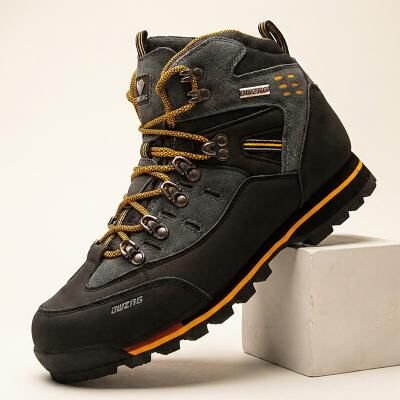
LightInthebox Men's Dark Gray Hiking Boots, Lace-Up Rugged Outdoor Adventure Style for Men, Trekking, Camping, Mountain Trails and Weekend ExplorationMaterials:Fabric,Suede; Season:Spring,Summer,Fall,Winter,All Seasons; Gender:Men's; Size Suggestion:standard size, select your usual size; Toe Shape:Round Toe; Style:Outdoor,Casual; Outsole Materials:Rubber; Occasion:Daily,Outdoor; Closure...69,99 $*Shipping: 6,99 $Secure redirect to the provider
-
Which language was spoken in Yugoslavia?
The main language spoken in Yugoslavia was Serbo-Croatian, which is a South Slavic language. This language was a combination of Serbian and Croatian dialects and was used as the official language of the country. Other languages spoken in Yugoslavia included Slovenian, Macedonian, and Albanian, reflecting the diverse ethnic makeup of the country. **
-
Why does Yugoslavia no longer exist?
Yugoslavia no longer exists due to a combination of factors, including ethnic and nationalist tensions, economic difficulties, and the collapse of communism. The country was made up of multiple ethnic groups, including Serbs, Croats, and Bosnians, which led to internal conflicts and eventually the breakup of the country. Additionally, the fall of communism in Eastern Europe and the economic struggles that followed contributed to the disintegration of Yugoslavia. Ultimately, these factors led to the secession of various republics and the eventual dissolution of the country. **
-
Is Yugoslavia a world power today?
No, Yugoslavia is not a world power today. In fact, Yugoslavia as a political entity ceased to exist in the 1990s, breaking up into several independent countries including Serbia, Croatia, Bosnia and Herzegovina, Montenegro, North Macedonia, and Slovenia. These individual countries do not hold the same level of global influence or power as the former Yugoslavia once did. Therefore, Yugoslavia is not a world power today. **
-
What is the problem regarding Yugoslavia?
The problem regarding Yugoslavia is the ongoing ethnic and political tensions that have persisted since the breakup of the country in the 1990s. The region has experienced violent conflicts and wars, resulting in the loss of thousands of lives and the displacement of millions of people. The unresolved issues of ethnic nationalism, territorial disputes, and political instability continue to hinder the progress and stability of the region. Additionally, the lack of reconciliation and accountability for war crimes and human rights abuses further complicates efforts to achieve lasting peace and stability in the former Yugoslav states. **
* All prices are inclusive of VAT and, if applicable, plus shipping costs. The offer information is based on the details provided by the respective shop and is updated through automated processes. Real-time updates do not occur, so deviations can occur in individual cases. ** Note: Parts of this content were created by AI.